
On Research-Creation “inside” and “outside” of academia: thinking about our metaphors – Part II
In 1990, cultural theorist Gloria Anzaldúa once wrote an essay titled Bridge, Drawbridge, Sandbar, or Island: Lesbians-of-Color Hacienda Alianzas. She writes about identity and alliance-making, offering suggestions for lesbians-of-colour activists interested in engaging in coalition work (or what she calls “meta-communication”) with more normative identities. But the metaphors she proposes—the bridge, the drawbridge, the sandbar and the island—help explain the ways of being, of acting, and of interacting in the world that can be used as springboards to how we think about the relationship between individuals, societies, and institutions.

The bridge is the mediator between ourselves/our communities and some other group—an institution, a group of people—that we want to form alliances with. But if you’re always a bridge, you run the risk of getting lost in the dichotomies, dualities, and contradictions you’re mediating.
Çanakkale Bridge, Turkey. By Glabb - Own work, CC BY-SA 3.0, Wikimedia Commons
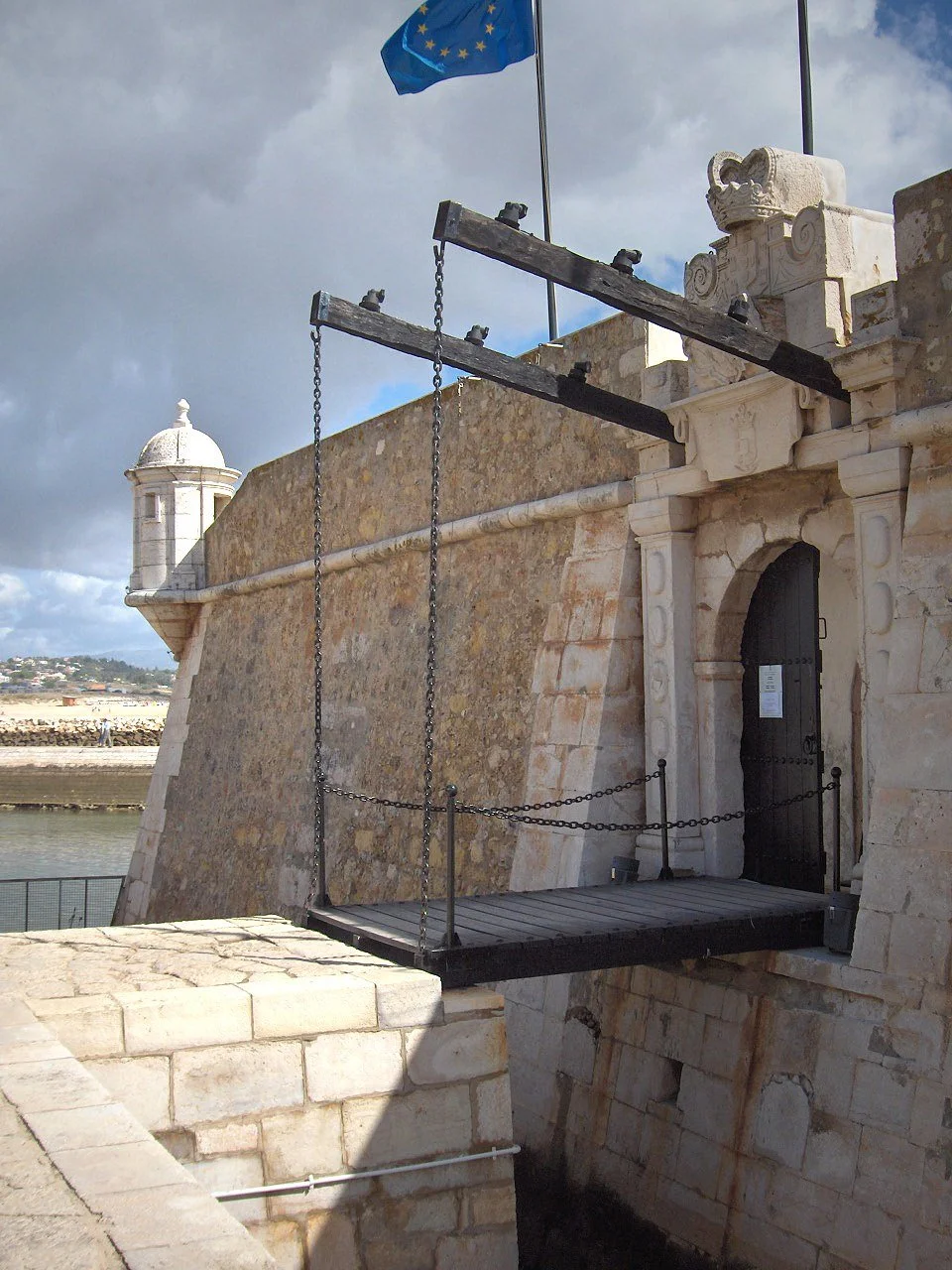
The drawbridge gives us the option to take two courses of action: either leave it up (withdrawing, or temporarily pausing the mediation) or bring it down, acting as a temporary bridge. We can be strategic and make the choice of how we are dealing with the alliances we’re building.
Forte da Ponta da Bandeira, Lagos, Portugal. By Georges Jansoone - Self-photographed, CC BY 2.5, Wikimedia Commons
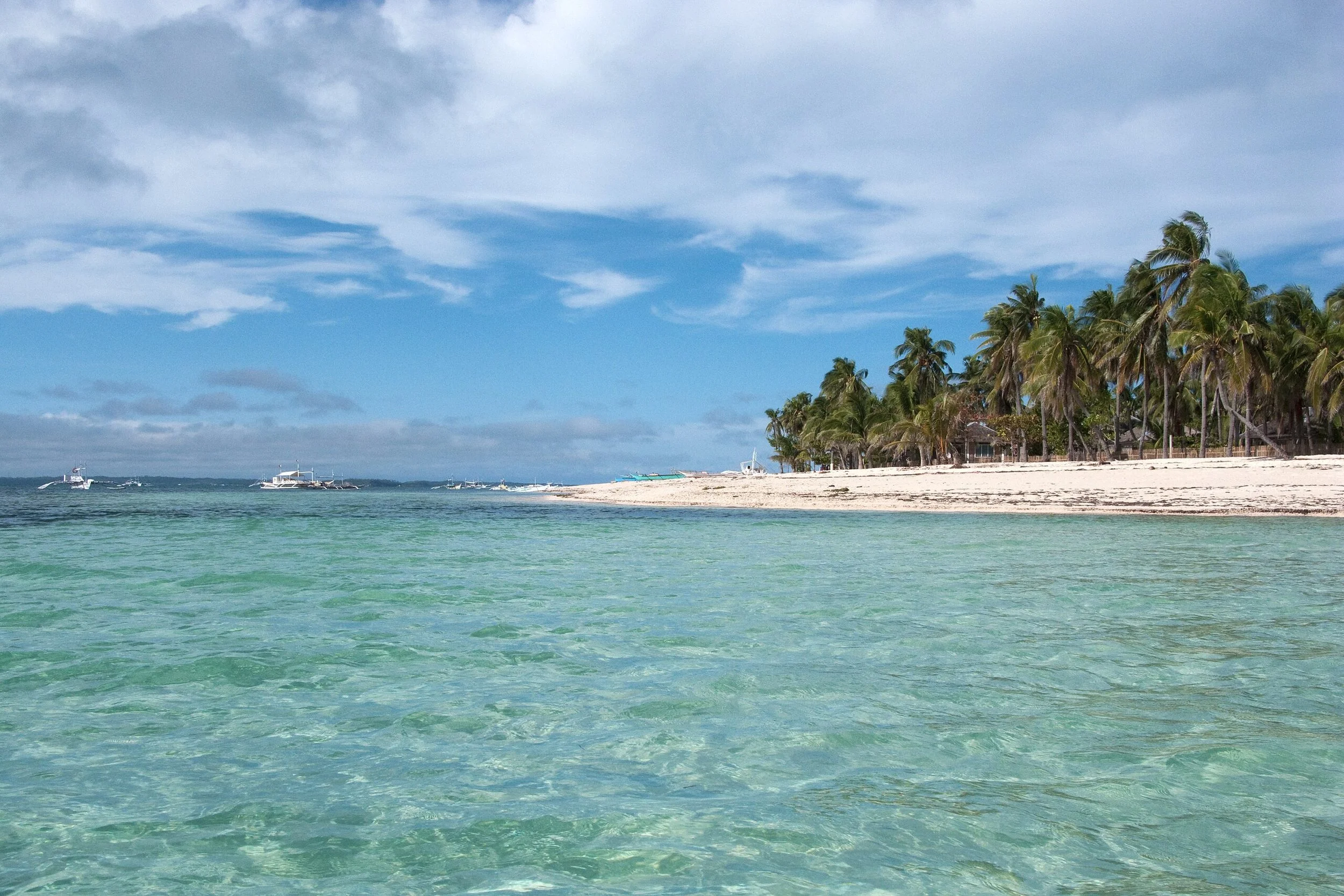
The island is hermetic. At times, it is necessary to strategically retreat for a longer period. Yet, as Anzaldúa explains, “being an island cannot be a way of life; there are no lifelong islands because no one is totally self-sufficient. Each person depends on others for the food she eats, the clothes she wears, the books she reads.”
By © Vyacheslav Argenberg / http://www.vascoplanet.com/, CC BY 4.0, Wikimedia Commons
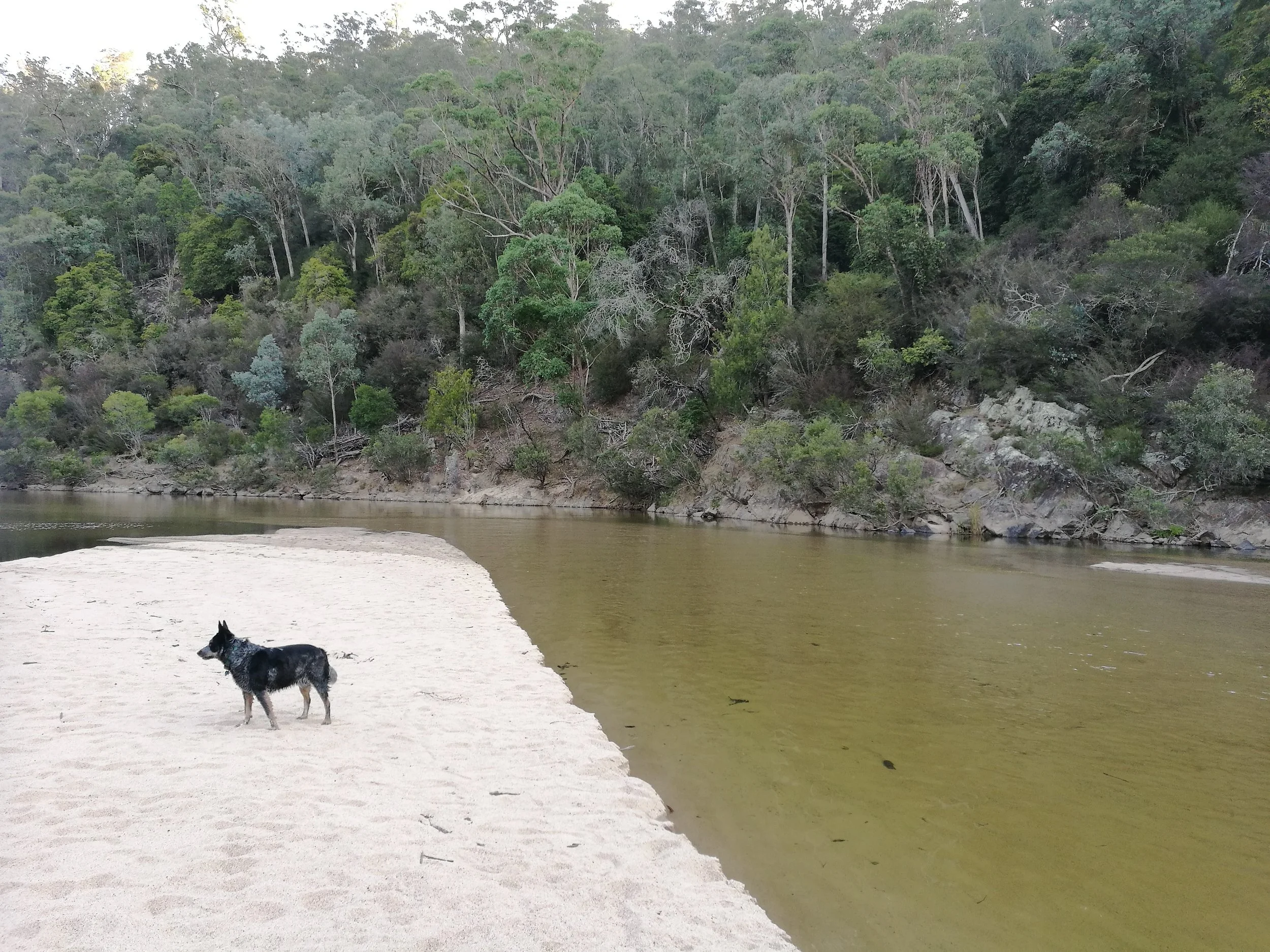
Lastly, the sandbar, or a submerged or partly exposed ridge of sand built by waves offshore from a beach, is an evolution that Anzaldúa proposes from the drawbridge. As she writes:
“Being a sandbar means getting a breather from being a perpetual bridge without having to withdraw completely. The high and low tides of your life are factors which help you to decide whether or where you’re a sandbar today, tomorrow. It means that you’re functioning as a “bridge” (maybe partially underwater, invisible to others) and that you can somehow choose who you’ll allow to “see” your bridge, who you’ll allow to walk on your “bridge”—that is, who you’ll make connections with. A sandbar is more fluid and shifts locations, allowing for more mobility and more freedom.”
By Tasha Corr - Own work, CC BY-SA 4.0, Wikimedia Commons
We can extend Anzaldua’s proposals and add even more. What are the implications of using other metaphors to our relations—say, a tapestry made of warp and weft? A network? A mosaic? An archipelago? A melting pot? If connection is an ongoing, creative practice, then the figures we use to describe it shape how we imagine research‑creation across and beyond institutional borders.
Reference:
Anzaldúa, G. E. (2009). “Bridge, Drawbridge, Sandbar, or Island: Lesbians-of-Color Hacienda Alianzas.” In The Gloria Anzaldúa reader (A. Keating, Ed.). Duke University Press. https://doi.org/10.1215/9780822391272
